

Beyond Lone Worker Safety: How Regular Check-Ins Protect People Every Day
Share this article…
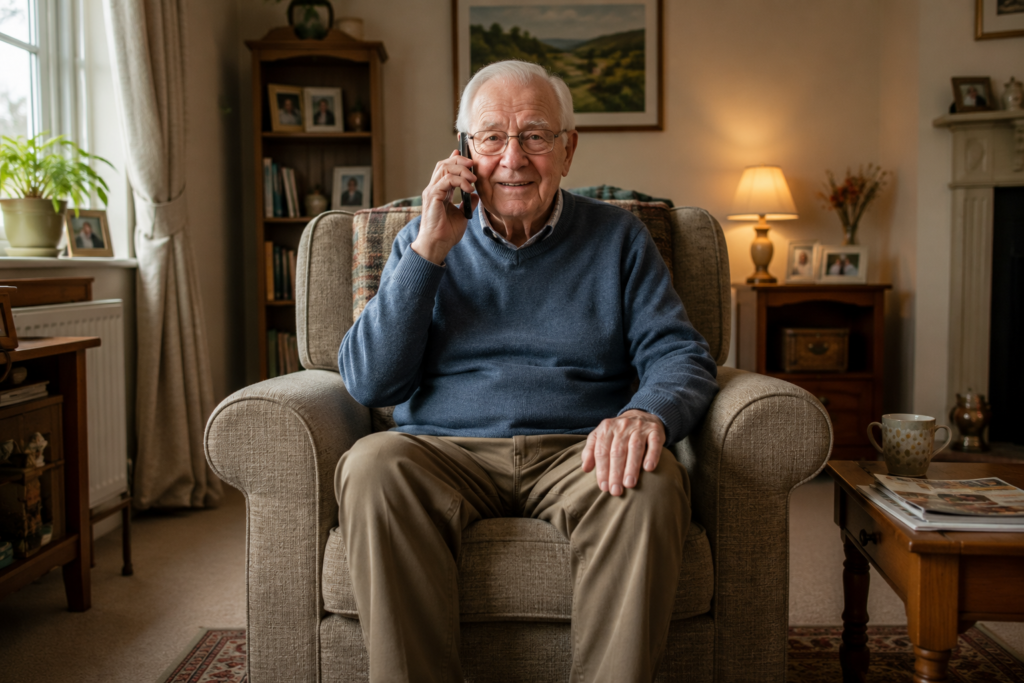
When people think about personal safety, they often picture panic alarms, emergency buttons, smartphone apps or GPS tracking devices. These solutions have become increasingly common and, in many situations, they provide valuable protection.
However, they all rely on one important assumption: the person needing help can ask for it.
Most of the time, that assumption is reasonable. If someone feels threatened, becomes injured or finds themselves in difficulty, they can activate an alarm, press a button or use an app to alert others that something is wrong.
But what happens when they can’t?
What happens if a lone worker suffers a medical emergency while working alone? What if an elderly person falls and cannot reach their phone? What if a traveller becomes unwell in an unfamiliar location? What if someone loses consciousness, becomes confused or simply cannot call for help?
These situations expose a weakness in many traditional safety systems. If a person cannot raise the alarm, how does anyone know they need help?
This is where regular safety check-ins offer a different approach.
Instead of waiting for somebody to signal that something is wrong, a scheduled check-in creates a simple routine. The individual confirms that they are safe at agreed times throughout the day. If they miss an expected check-in, the system recognises the absence of contact and triggers further action.
It is a straightforward concept, but one that can provide reassurance to businesses, families and individuals alike.

What Is a Check Call?
Outside industries such as security, facilities management and lone worker safety, many people have never heard the term “check call”.
That is understandable because most people search for very different things online. They look for phrases such as welfare check service, daily safety check-ins, personal safety monitoring, wellbeing checks for elderly relatives, support for people living alone or independent living support.
In reality, a check call is simply a structured safety check-in that helps ensure somebody notices if expected contact is missed.
At My Check Call, customers choose the times they want to check in. At those times, they make a short call to our automated system. The process takes around 15 seconds and works from virtually any telephone, including a mobile phone or a landline.
There is no app to download, no specialist equipment to carry and no complicated technology to learn.
Once the customer completes the check-in, they carry on with their day as normal. If they miss a check-in, the system alerts our monitoring team and the agreed escalation process begins.
In simple terms, we do not wait for somebody to ask for help. We notice when they stop checking in.
Why Missing a Check-In Can Be More Important Than Raising an Alarm
Most safety systems respond when somebody actively requests assistance.
A panic button is pressed. An emergency alert is triggered. A lone worker app sends a notification. A personal alarm is activated.
These systems have an important role to play and often work extremely well.
The challenge is that not every emergency gives a person the opportunity to use them.
A sudden medical episode, a serious fall, unconsciousness or confusion can prevent someone from accessing a device or activating an alarm. In these situations, a missed check-in may provide one of the earliest signs that something is wrong.
Instead of asking, “Has this person requested help?”, a scheduled check-in asks a different question:
“Has this person completed the safety check they normally would?”
That subtle difference can have a significant impact when every minute counts.
A Safety Service That Doesn’t Depend on Data
Many modern safety solutions rely heavily on smartphones, wearable devices and mobile data connections.
While these technologies can be incredibly useful, they are not always available when people need them most. Mobile signals can disappear in rural areas. Batteries run flat. Devices get forgotten, damaged or left behind.
One of the biggest strengths of a telephone-based safety monitoring service is its simplicity.
Customers can complete their check-ins from a mobile phone or landline. They do not need mobile data, internet access or GPS tracking. The process remains simple and accessible regardless of age, technical ability or location.
For many people, particularly older adults and those who prefer straightforward solutions, that accessibility makes all the difference.
Who Can Benefit From Regular Check-Ins?
Many people assume that check calls only benefit security guards or lone workers.
In reality, a much wider range of people can benefit from regular check-ins.
Businesses use them as part of their lone worker safety arrangements. Families use them to support elderly relatives. Individuals use them to add an extra layer of reassurance while living alone, travelling independently or spending time in remote locations.
Although their circumstances differ, they all share a common need.
They want the confidence of knowing that somebody will notice if expected contact suddenly stops.
Supporting Lone Workers and Businesses
Regular check-ins have formed part of lone worker safety programmes for many years.
Employers have a legal responsibility to consider the safety of employees who work alone, and many organisations use lone worker monitoring as part of their wider risk management strategy.
Security officers, cleaners, engineers, healthcare professionals, maintenance technicians, mobile patrol teams and delivery drivers often spend long periods without direct supervision. If something goes wrong, nobody may be nearby to recognise the problem.
A scheduled check-in creates regular contact throughout a shift. If a worker misses a check-in, our monitoring team can begin the agreed escalation process without delay.
For many businesses, this provides a practical and cost-effective safety service for lone workers that complements existing procedures and helps ensure concerns do not go unnoticed.
Helping Older Adults Remain Independent
Many families face the challenge of balancing independence with peace of mind.
Older relatives often want to continue living in their own homes, maintaining their routines and enjoying the freedom that comes with independent living. Family members, meanwhile, naturally worry about what might happen if an unexpected problem arises.
This concern explains why people search for phrases such as someone to check on an elderly parent, daily welfare checks, wellbeing checks for elderly people and elderly wellbeing support.
A regular check-in can provide reassurance without affecting independence.
Rather than relying on family members to remember daily welfare calls, a simple routine allows the individual to confirm they are safe and well. If they miss a check-in, our monitoring team takes notice and follows the agreed escalation procedure.
For families looking for a welfare monitoring service or independent living support for a loved one, this approach offers reassurance while allowing older adults to maintain their dignity, confidence and freedom.
A Valuable Safety Net for People Living Alone
Living alone is increasingly common throughout the UK and, for many people, it is a lifestyle they enjoy.
However, living alone can create situations where nobody immediately notices if something goes wrong.
Most people searching for support while living alone are not looking for a “check call service” because they may never have heard the term. Instead, they search for personal safety services, support for people living alone, welfare checks or personal safety monitoring.
The need behind those searches is often the same.
They want reassurance that if something unexpected happens, somebody will notice.
A scheduled check-in helps provide exactly that. It supports independence while creating a reliable safety net that sits quietly in the background.
Supporting Travellers and Outdoor Enthusiasts
Regular check-ins can also provide reassurance for people who spend time travelling alone or exploring remote locations.
Whether someone is travelling for work, enjoying a solo holiday, embracing van life or heading into the countryside for a walk, sensible preparation plays an important role in staying safe.
Solo traveller safety has become an increasingly important consideration as more people choose to travel independently. Many travellers already share their itinerary with family or friends, but a scheduled check-in adds another layer of protection.
If communication unexpectedly stops, our monitoring team can quickly identify the missed check-in and begin the agreed escalation process.
For travellers, walkers, hikers, cyclists and outdoor enthusiasts, that reassurance can be invaluable.
Real People. Real Safety.
Technology plays an important role in modern safety systems, but technology alone cannot replace human judgement.
At My Check Call, technology supports the process, but people remain at the heart of everything we do.
When a customer misses a scheduled check-in, a real person reviews the alert and follows the agreed escalation procedure. Our team treats every concern seriously and responds with the care and attention it deserves.
That human element matters.
It is why our philosophy remains simple:
Real People. Real Safety.
The Importance of Noticing the Silence
When people think about safety, they often focus on alarms.
That makes perfect sense because alarms save lives.
However, not every emergency allows somebody to press a button.
Not every situation gives a person the opportunity to ask for help.
Sometimes the greatest risk is not that somebody cannot raise the alarm. It is that nobody realises they need help at all.
That is why regular safety check-ins matter.
Whether you’re protecting lone workers, supporting elderly relatives, helping someone live independently or providing reassurance to a traveller, the principle remains the same. When somebody misses a scheduled check-in, our monitoring team takes notice and follows the agreed escalation process.
Most safety systems respond when somebody raises the alarm.
My Check Call responds when somebody doesn’t.
Because sometimes the most important safety signal isn’t the alarm that was raised.
It’s the silence that shouldn’t have happened.


